
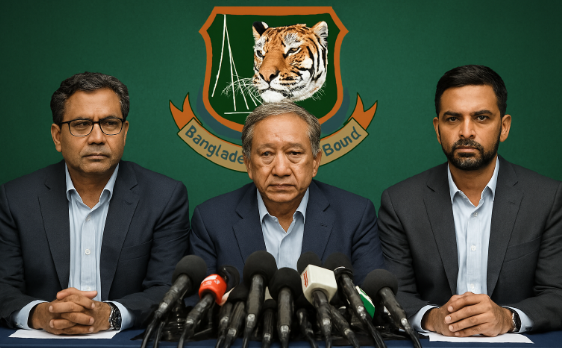
The T20 World Cup row surrounding this event makes headlines all over the world. The trip to India was rejected by Bangladesh’s cricket board. They point to grave security concerns. Fans wonder about the tournament’s future as a result. The tension is greatest among Indian cricket fans.
After all, India hosts the event. The ICC faces mounting pressure. They must resolve this quickly. Meanwhile, cricket teams adjust their plans. Cricket players focus on training amid uncertainty. This standoff highlights deeper issues in global cricket.
Bangladesh officials demand neutral venues. Nonetheless, the ICC maintains India’s right to host. Schedules are therefore in jeopardy. Warm up game scores in cricket are still tentative. Additionally, this has a significant impact on group stages.
If Bangladesh withdraws, dynamics shift entirely. Indian fans eagerly await updates. They discuss scenarios on social media. In addition, broadcasters scramble for contingency plans.
Reading time: 3 minutes
Why Bangladesh Refused to Travel to India
Bangladesh declined because of logistical and security issues that were brought up prior to the competition. Officials claim that in order to guarantee player safety, the board looked for alternate locations. The ICC insisted that India is still the official host country, though.
Bangladesh consequently declared that unless plans were altered, it would not send its national team. This stance has escalated the controversy surrounding the T20 World Cup, putting pressure on the ICC to act swiftly to resolve the issue.
Furthermore, any delay runs the risk of interfering with several cricket teams’ training schedules.
T20 World Cup Row: Security Concerns Drive Bangladesh’s Decision
Bangladesh prioritises player safety above all. Their board raises valid logistical hurdles. Therefore, they seek alternatives promptly. The ICC initially dismisses these requests. Yet, discussions now continue behind closed doors.
Possible solutions include venue swaps. Or, they might impose fines on non compliant cricket teams. Meanwhile, Indian administrators prepare diligently. They ensure stadiums meet top standards. Cricket players from both sides express frustration.
They want to compete fairly. Consequently, the T20 World Cup row tests international relations. Fans recall past disputes in cricket history. For instance, similar issues arose in previous tournaments. Now, this situation demands swift action. Otherwise, the event’s integrity suffers.
Impacts Ripple Through Betting and Markets
The T20 row disrupts cricket betting scenes. Enthusiasts turn to cricket betting sites for updates. However, unclear fixtures pause many markets. Cricket odds fluctuate wildly as news breaks. Therefore, bettors monitor developments closely. Responsible gambling becomes crucial here. Experts advise setting limits amid volatility.
In India, markets feel the strain most. Sponsors hesitate with investments. Broadcasters adjust ad slots accordingly. Moreover, cricket scores from affected matches stay on hold. This creates opportunities for savvy fans. Yet, it also poses risks. As a result, platforms promote safe practices. They emphasise informed decisions.
Cricket teams adapt their strategies too. Players train harder despite distractions. Indian stars lead by example. They inspire fans nationwide. Meanwhile, Bangladesh seeks assurances. Their stance protects athletes effectively.
T20 World Cup Row: Path Forward for a Smooth Tournament
The ICC holds the key to resolution. They engage stakeholders actively. Potential compromises emerge daily. For example, hybrid venues could work. Or, rescheduling might ease tensions. Consequently, the T20 World Cup row could end soon. Fans hope for positive outcomes.
In the end, cricket unites people. This challenge tests that bond. However, solutions often strengthen the sport. Indian cricket thrives on such resilience. As updates roll in, stay tuned. The cricket tournament promises excitement regardless.
This T20 World Cup row reminds everyone of cricket’s global stakes. It involves more than games. Security, fairness, and passion drive it all. Ultimately, compromise benefits everyone involved.

Wendy Prinsloo
Wendy is an iGaming journalist and sports betting writer who covers cricket news, betting platforms, odds, and online casinos.
She writes about the latest developments in the cricket industry and helps readers stay updated while understanding how betting works.


