
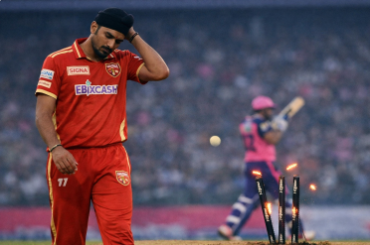
Arshdeep Singh IPL 2026 performances are beginning to raise a concern that goes beyond form and into match control, especially after Punjab Kings loss to Rajasthan Royals. The result itself was not unexpected in isolation, but the way it unfolded exposed a weakness that is starting to repeat.
Punjab did not lose control early. The game stayed balanced through large phases. But once it reached the final overs, the structure that usually holds them together started to slip. That is where the real problem sits.
Reading time: 3 minutes
The Phase Where PBKS Are Losing Their Grip
T20 matches are rarely decided in the opening overs. They are decided when pressure peaks and execution becomes everything. That phase has traditionally been where Punjab Kings hold an edge.
In this match, that edge was missing. The middle overs kept the game within reach, but the closing phase saw a clear shift. Rajasthan Royals accelerated with far more freedom than expected, and Punjab were unable to contain the scoring when it mattered most.
The control did not disappear instantly. It faded just enough to allow the game to tilt. By the time that shift became obvious, the outcome was already moving away from them.
Why Arshdeep’s Role Matters More Than the Result
Arshdeep is not just another bowler in this setup. He is the one expected to deliver the most difficult overs, often at the death where matches are decided. When that role functions well, Punjab stay competitive even in tight situations. When it does not, the entire structure becomes vulnerable.
In this game, the expected control in the final overs did not materialise. The pressure overs that usually stabilise the innings instead became the point where momentum shifted. That difference is subtle, but it is critical.
The Numbers That Expose PBKS Death Overs Problem
Arshdeep Singh was used in the phase where Punjab needed control the most, but the returns reflected a clear drop in effectiveness. He finished with figures of 0 for 44 in 4 overs, conceding at an economy rate above 11 runs per over, which is significantly higher than what is expected from a death overs specialist.
Across the innings, Punjab Kings maintained reasonable control through the middle phase, but the closing phase told a different story. Rajasthan were able to accelerate freely, pushing the scoring rate beyond the earlier tempo and shifting the balance of the match late.
This is where the concern becomes real. It was not just about runs conceded, but when they were conceded. The inability to contain scoring in the closing overs allowed the game to drift away at the exact moment control is usually strongest.
For bettors, this is the signal that matters. A drop in death overs reliability changes how late game scenarios should be priced.
IPL 2026 Is Exposing Death Overs Vulnerability
Across IPL 2026, cricket teams that fail to control the final overs are being punished more heavily than before. Scoring rates at the death are rising, and even small execution errors are turning competitive games into one sided finishes.
Punjab are starting to fall into that pattern. Their structure still holds through most of the innings, but the final phase is becoming a point of risk rather than control. That shift changes how their cricket matches should be read.
What This Means for Betting Markets
Cricket betting sites tend to lean heavily on past performance when shaping live odds, and Punjab Kings have built their reputation on being reliable in tight finishes. That is where the gap is starting to appear.
When execution in the end overs begins to slip, markets rarely adjust immediately. The odds continue to reflect the old level of control, even as the game starts moving in a different direction. By the time the shift is clear, the value has already gone. This creates a small but consistent opportunity for those tracking the change early.
What looked like a standard defeat carried more weight beneath the surface. It exposed a weakness that is only just becoming visible, while the market is still pricing Punjab as if that control remains intact.
Wagering on cricket should always be approached with a clear plan and personal limits. Short term performances can be unpredictable, and even well informed decisions carry risk. Avoid chasing outcomes, stay within your means, and ensure betting remains a form of entertainment rather than expectation.
Disclaimer
The insights in this article are derived from recent match performances and publicly available data. They are intended to provide context and analysis, not to serve as guaranteed predictions or betting recommendations. Readers should apply their own judgment and consider multiple sources before making any decisions.

Pradeep Singh
Pradeep Singh is a cricket betting expert with 17+ years of experience. His work is in The Times of India, Hindustan Dainik, and Dainik Bhaskar, covering cricket betting and gambling news.
At cricket-betting.net, he is our in-house expert, writing betting guides, match analysis, and news about cricket betting markets.


