
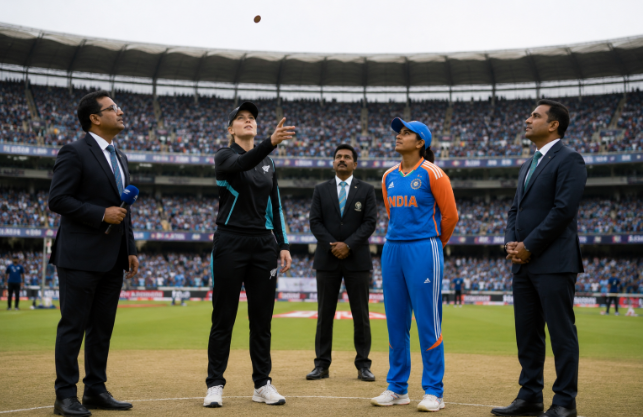
The toss remains one of the most discussed topics in cricket betting.
Every major tournament seems to produce the same headlines. A captain wins the toss, chooses to bat or bowl, and markets immediately react.
Sometimes that reaction is justified.
Sometimes it is not.
For bettors across India and Bangladesh, understanding when the toss genuinely matters and when the market is overreacting remains one of the most valuable long-term skills in cricket betting.
Reading time: 3 minutes
The Toss Does Not Win Matches
One of the biggest misconceptions in cricket is that winning the toss automatically creates a major advantage.
In reality, strong teams still need to execute.
A poor batting performance cannot be rescued by winning the toss, while quality bowling attacks regularly defend totals even when conditions appear favourable for chasing.
The toss should be viewed as one factor among many rather than the single most important variable.
Team balance, form, venue conditions and player matchups usually have a greater influence on the final result.
When The Toss Really Matters
There are situations where toss importance increases dramatically.
These often include:
- Heavy dew expected during evening matches.
- Surfaces that deteriorate rapidly.
- Weather interruptions affecting Duckworth-Lewis calculations.
- Venues with strong historical chasing trends.
- Day-night matches with significant changes in playing conditions.
IPL matches frequently provide examples.
When dew becomes a major factor, bowlers can struggle to grip the ball, making chasing considerably easier than batting first.
In those situations, toss-related market movement may be justified.
Different Formats Create Different Challenges
T20 cricket tends to produce the strongest toss reactions because conditions can change quickly across a relatively short match.
ODI cricket generally reduces toss influence because teams have more time to recover from difficult starts.
Test cricket often presents an entirely different challenge.
Pitch conditions over five days can make batting first attractive, particularly on surfaces expected to deteriorate significantly.
However, weather forecasts and overhead conditions frequently matter just as much as the toss itself.
Where Markets Sometimes Overreact
One common mistake is assuming every chasing advantage applies equally across all venues.
Historical venue data is important, but conditions change constantly.
A ground that heavily favoured chasing last season may produce completely different results this year because of pitch preparation, weather patterns or team strengths.
Markets occasionally move aggressively after a toss result without fully considering those factors.
That can create opportunities for disciplined bettors who focus on the wider picture rather than a single event.
The Smart Way To Analyse Toss Impact
Instead of asking whether the toss matters, a better question is why it matters.
Before reacting to a toss result, consider:
- What do historical venue trends show?
- Is dew expected?
- How strong are both batting lineups?
- How well do the bowling attacks defend totals?
- What weather conditions are expected?
- Has the pitch changed during the tournament?
The answers often provide far more useful information than the toss itself.
What Professional Bettors Focus On
Experienced bettors rarely view the toss in isolation.
Instead, they combine it with conditions, team composition and market movement.
For example, a chasing advantage becomes far more important if one team possesses elite finishers and the other struggles to defend totals.
Similarly, a batting-first advantage becomes more meaningful if a surface is expected to slow down dramatically.
The key is understanding how the toss interacts with the broader match context.
The Bottom Line
The toss remains important, but not always for the reasons many people assume.
Winning the toss does not guarantee victory, just as losing it does not automatically reduce a team’s chances significantly.
The smartest betting decisions come from understanding conditions, team strengths and venue characteristics before reacting to market movement.
In the long run, analysing why the toss matters will usually prove more valuable than simply analysing who won it.
Quick Reference: Toss Impact Checklist
| Factor | Importance |
| Dew Expected | High |
| Day-Night Match | Medium to High |
| Weather Risk | High |
| Slow/Deteriorating Pitch | High |
| Balanced Conditions | Low to Medium |
| Strong Chasing Team | Increases Toss Importance |
Related coverage:
This article provides information and analysis, not betting advice. All betting carries risk, and losses are more likely than guaranteed returns. Please make independent decisions and bet responsibly.

Wendy Prinsloo
Wendy is an iGaming journalist and sports betting writer who covers cricket news, betting platforms, odds, and online casinos.
She writes about the latest developments in the cricket industry and helps readers stay updated while understanding how betting works.


