In India, cricket has always flourished under leaders who are larger than life. Fans have become used to strong personalities leading the team, from MS Dhoni’s composed authority to Kapil Dev’s fearless spirit. Now, in 2025, the focus changes once more.
Naturally, once Rohit Sharma and Virat Kohli decided to call time on their Test careers, the word “leadership strain” became a commonly heard term among fans and commentators. But is Indian cricket in crisis, or is this actually well planned succession?
Reading time: 2 minutes
The End of a Golden Chapter
Rohit Sharma’s retirement from Test cricket marked the end of an era that had come to be defined by aggressive batting and clarity of tactics. Shortly afterwards, Virat Kohli announced that he, too, would no longer play the longest format, although he remains committed to playing ODIs through to the 2027 Cricket World Cup.
Quite naturally, these departures triggered rumors about a void in leadership. However, facts told another story, as the BCCI had actually planned the next phase.
Shubman Gill Steps Into the Spotlight
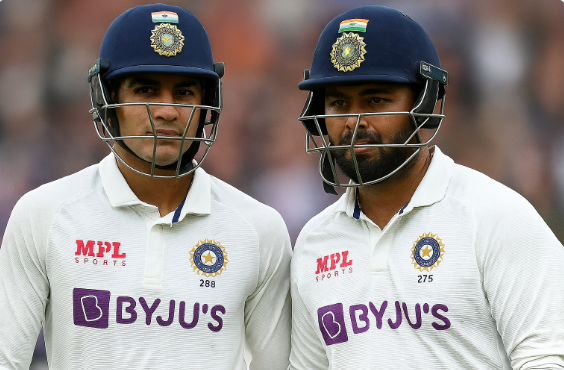
Gill, who was named Test captain, is the new face of cricket leadership in India in 2025.His calm demeanor and technical precision offer a refreshing contrast to Rohit’s flamboyance and Kohli’s intensity.
Gill’s early captaincy assignments against England and South Africa show that the transition is not accidental, it is deliberate succession planning.
Rishabh Pant Adds Firepower
While he has continued to regain full form on his return, Rishabh Pant has been advanced into the leadership discussions alongside Gill. Selectors increasingly see him as a long term vice captain candidate across formats due to his fearless batting and astute wicketkeeping, which brings spirit into the team.
While cricket team India gears up for the next World Test Championship cycle, Pant’s aggressiveness balances Gill’s calmness, thus rounding up a fine leadership combination.
Transition, Not Turmoil
It is tempting to label this moment as “strain,” but the evidence points to stability:
- Planned succession: Gill’s promotion was anticipated, not improvised.
- Format specific leadership: Kohli anchors ODIs, Gill leads Tests, and Pant is central to T20s.
- Bench strength: Cricket players like KL Rahul, Yashasvi Jaiswal, and Jasprit Bumrah provide depth and leadership options.
Challenges Ahead
Of course, transitions bring hurdles. Gill must prove he can handle high pressure series against top opponents. Pant must balance his aggressive instincts with tactical maturity. And the media will magnify every setback as “strain.” Yet, these challenges are part of growth, not signs of collapse.
What the Facts Actually Show
- India is not facing a leadership vacuum.
- Retirements of Rohit and Kohli were expected, not sudden shocks.
- Gill and Pant represent the future, backed by a strong talent pipeline.
Conclusion
In 2025, Indian cricket is evolving rather than collapsing under pressure from its leaders. Shubman Gill and Rishabh Pant have taken over the baton from Rohit Sharma and Virat Kohli. This generational transfer is more about opportunity than uncertainty.
Fans should not brace for chaos, but for the excitement of a new chapter in Indian cricket’s leadership story.
For additional context on player performance data and match trends, cricket-betting.net provides further breakdowns that readers may find useful.