
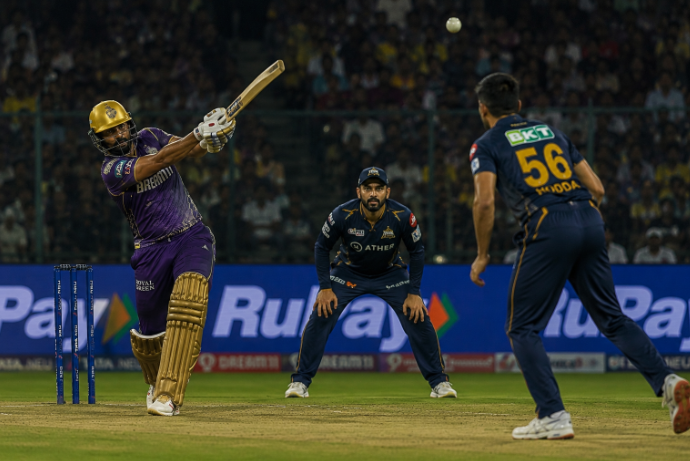
One of the most important tactical patterns developing late in IPL 2026 is how heavily teams are depending on a single set batter to carry entire chases deep into the innings.
At first glance, the strategy appears logical. T20 cricket rewards batters who settle quickly and understand pace changes, boundary dimensions, and bowling patterns.
The problem is what happens once that batter finally gets out.
Across several recent IPL matches, innings that looked comfortably controlled have collapsed almost instantly after one established batter departed, even with manageable required rates still remaining.
Reading time: 2 minutes
Teams Are Building Chases Around One Anchor Too Heavily
Modern IPL batting structures increasingly revolve around preserving one key batter through the middle overs before accelerating late.
But many sides are now overcommitting to that plan.
Recent chases have repeatedly shown similar warning signs:
- One batter facing a disproportionate number of deliveries.
- Strike rotation slowing around new arrivals.
- Middle-order batters deferring responsibility.
- Required rates staying stable but not shrinking.
- Entire innings confidence tied to one wicket.
That creates an unusually fragile chase structure because momentum becomes emotional as much as tactical.
The Collapse Often Starts Before the Wicket Falls
One interesting betting trend is that pressure frequently builds long before the key dismissal actually happens.
Batting sides protecting a set batter often begin:
- Avoiding risky second runs.
- Refusing low-percentage boundaries.
- Giving strike away too conservatively.
- Waiting for weaker overs that never fully arrive.
The scoreboard may still look healthy, but innings tempo quietly narrows around protecting one player.
Once that wicket finally falls, several things happen simultaneously:
- Required rates suddenly feel larger.
- New batters inherit pressure immediately.
- Boundary dependency rises sharply.
- Bowling captains attack harder.
That explains why several IPL 2026 chases have unraveled within one or two overs despite appearing under control moments earlier.
Bowling Teams Are Starting to Exploit the Dependency
Opposition captains are increasingly recognising when innings become overly dependent on one batter.
Instead of chasing wickets aggressively across the entire batting lineup, teams are beginning to isolate pressure around the established player:
- Defensive fields protecting rotation.
- Bowling wide to force strike changes.
- Slowing over rates strategically.
- Attacking new batters immediately.
That tactical patience is creating unusual match shapes where bowling sides appear passive for long periods before accelerating pressure rapidly once the key wicket falls.
For bettors, this means traditional chase indicators are becoming less reliable. A side needing 38 from 24 with one set batter may still be far more vulnerable than the scoreboard suggests.
The Market Is Starting to React Faster to Key Wickets
One major live-betting trend now involves how aggressively odds swing once established batters are dismissed late in innings.
Markets are increasingly pricing:
- How dependent the chase became on one player.
- Whether lower-order hitters settled yet.
- How many boundary overs remain.
- Which bowlers still hold overs back.
That creates situations where one wicket can move live odds more dramatically than earlier IPL seasons, even when the mathematical chase remains achievable.
Where Teams May Need to Adapt
The likely tactical correction is that teams begin sharing middle-over responsibility more evenly instead of protecting one batter excessively through the chase.
Sides that continue distributing risk and strike rotation naturally are increasingly producing calmer finishes than teams relying on one anchor to solve the innings alone.
Readers following IPL betting movement can track broader tournament developments through IPL tournament coverage, monitor live fixtures via match pages, and access additional betting analysis through prediction coverage.
This article provides information and analysis, not betting advice. All betting carries risk, and losses are more likely than guaranteed returns. Please make independent decisions and bet responsibly.

Wendy Prinsloo
Wendy is an iGaming journalist and sports betting writer who covers cricket news, betting platforms, odds, and online casinos.
She writes about the latest developments in the cricket industry and helps readers stay updated while understanding how betting works.


