
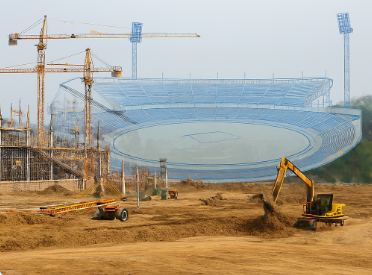
Cricket Infrastructure India just received a powerful boost, and it is bigger than most fans realize. On 19 February 2026, the Uttar Pradesh government signed an MoU with Indian Oil Corporation to build a 30,000 seat international cricket stadium in Gorakhpur. The project immediately sparked national attention. However, beyond the headlines, this development could reshape how Indian cricket grows over the next decade.
While metro cities already host major fixtures, smaller regions often wait years for top tier matches. Therefore, this move signals a strategic shift. Instead of concentrating venues in a few hubs, authorities are expanding the national footprint.
Did you know? The stadium is expected to be completed by December 2027. That timeline positions it perfectly for future T20 events and possibly even global tournaments.
Reading time: 3 minutes
Cricket Infrastructure India: Why This Matters for Cricket Teams and Players
New venues do more than add seats. They create opportunity. Because India’s domestic calendar keeps expanding, cricket teams constantly rotate across formats. A fresh international ground offers scheduling flexibility. Moreover, it reduces pressure on overused stadiums in major cities.
For emerging cricket players, this development opens doors. Regional talents often perform better in familiar conditions. As a result, selectors may discover hidden gems from eastern Uttar Pradesh and nearby states.
Additionally, more venues mean diversified pitch conditions. That variety sharpens tactical planning. Consequently, teams must adapt strategies based on surface behavior, boundary size, and crowd intensity.
This is not just concrete and steel. It is a competitive evolution.
Cricket Infrastructure India: The Ripple Effect on the Cricket World Cup and T20 Events
Here is the strategic angle many affiliates ignore. Expanding Cricket Infrastructure in India strengthens the country’s bidding capacity for major cricket tournaments. India already plays a central role in ICC events. However, additional international ready venues improve rotation models for the Cricket World Cup and franchise leagues.
Furthermore, high capacity cricket stadiums support broadcast expansion. Larger crowds enhance the atmosphere. That energy boosts television ratings. In turn, sponsors invest more aggressively.
Because T20 cricket thrives on crowd engagement, Gorakhpur could become a rotation venue for high voltage T20 events. If that happens, regional fans gain access to elite matchups without traveling across states.
That shift democratizes the fan experience.
The Hidden Angle: Cricket Betting, Live Odds & Market Expansion
Now here is the intel serious followers track. Whenever Cricket Infrastructure India expands, betting markets evolve. New venues introduce fresh performance variables. Therefore, bookmakers adjust cricket odds based on pitch data and historical trends.
For fans engaged in cricket betting, additional grounds mean more diverse match analysis. Meanwhile, cricket betting sites benefit from the expansion of domestic fixtures and international rotations. More matches create more pricing activity. As a result, live odds fluctuate faster, especially in T20 formats.
However, responsible engagement remains essential. Responsible gambling should guide every betting decision. While infrastructure growth increases opportunities, disciplined analysis protects long term sustainability.
Moreover, new stadiums influence cricket score patterns. Smaller boundaries may produce high totals. Alternatively, fresh pitches could initially favor bowlers. Smart observers will track these patterns early.
Do not miss this detail. Venue analytics often shape profitable strategy before markets fully stabilise.
Cricket Infrastructure India: A Strategic Step Forward
Ultimately, Cricket Infrastructure India is not just expanding geographically. It is strengthening its commercial, competitive, and digital presence. The Gorakhpur stadium reflects policy vision, regional ambition, and long term cricket planning.
Because India remains the epicenter of global cricket economics, infrastructure upgrades ripple across leagues, broadcasters, and betting ecosystems. Therefore, this project represents more than construction. It signals calculated expansion.
The foundation has been laid. Now the countdown to 2027 begins.

Wendy Prinsloo
Wendy is an iGaming journalist and sports betting writer who covers cricket news, betting platforms, odds, and online casinos.
She writes about the latest developments in the cricket industry and helps readers stay updated while understanding how betting works.


